PROJECTS
We got a chance to work together with Night of the Nerds and received the challenge to make Fast Fashion less attractive amongst teenagers aged 15 - 17 years old. We could go in any direction that we wanted for the solution which was very cool. We decided to focus also on people older than 17 since this is a world-wide problem.
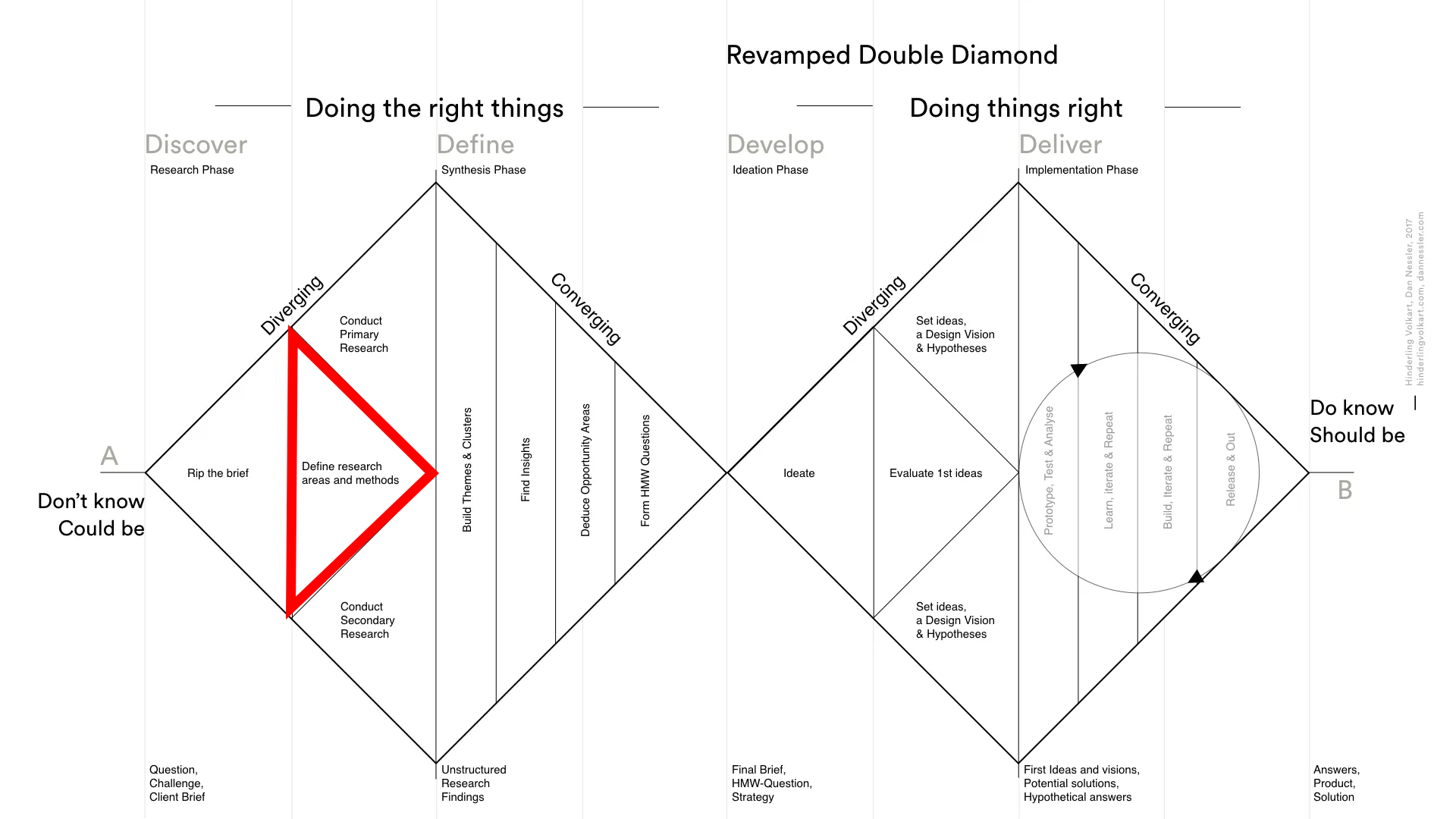
I defined a general guideline of which research methods and areas that we will be doing. Inside the research plan you can find which research areas and methods we will cover in each phase of the Double Diamond. We decided that we would be able to change this plan so we can be more flexible.
This fits the following learning outcomes: LO3.
Gitwiki about research plan
Discover Phase:
Research Areas:
Research Methods:
Define Phase:
Research Areas:
Research Methods:
Develop Phase:
Research Areas:
Research Methods:
Deliver Phase:
Research Areas:
Research Methods:
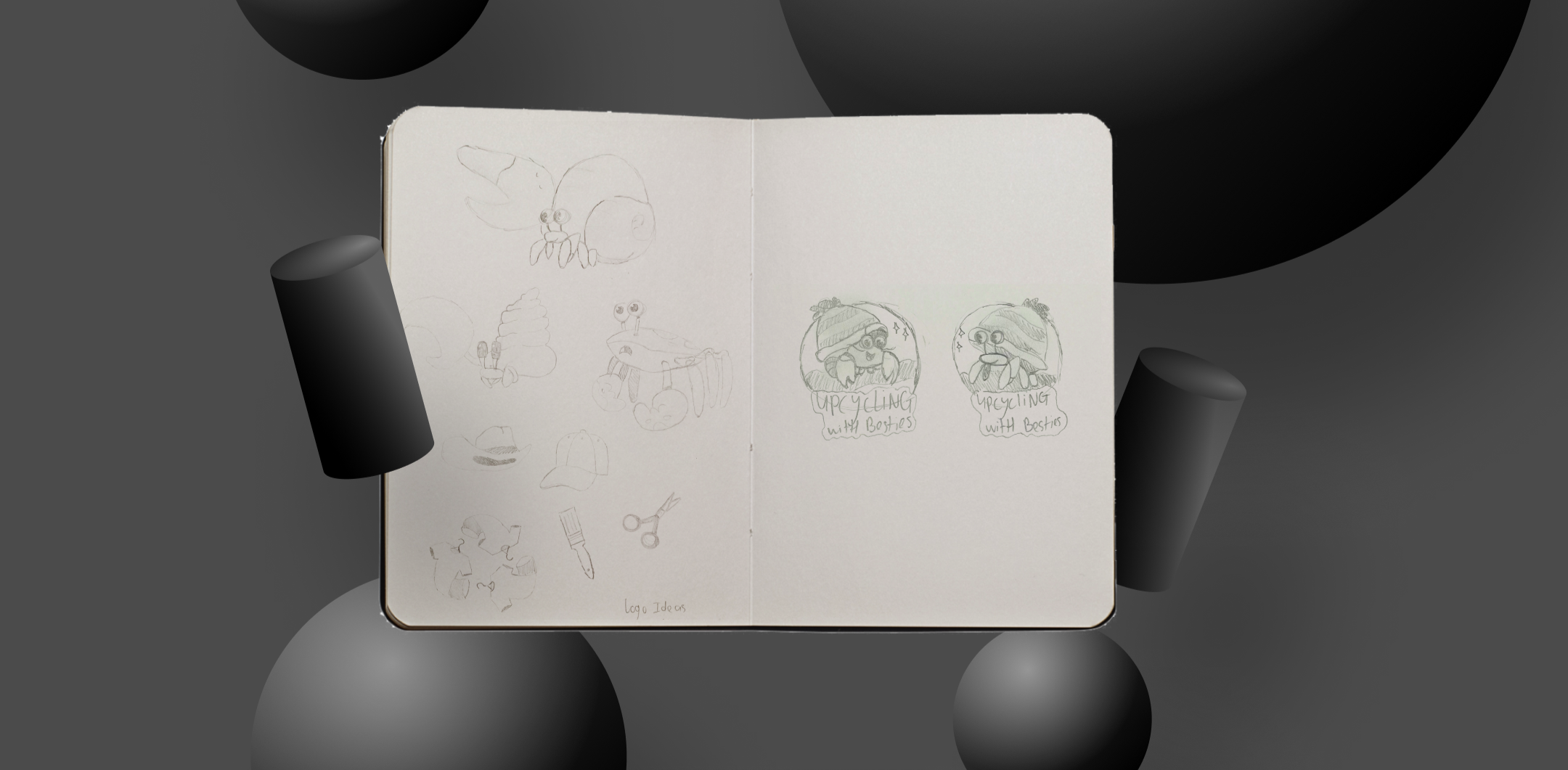
I had to create a logo for our game. I made a moodboard with images I found on Pinterest and using AI. Made a lot of skectes with testing different ideas. And did A/B testing to ensure that the logo was engaging and validated by our target audience.
This fits the following learning outcomes: LO1 and LO3.
Gitwiki about the logo process
Link Between Learning Outcomes (LO) and What I Did:
You create engaging concepts and translate them into interactive validated media products:
What makes the logo engaging, useful and/or satisfying? And validation: The logo has a unique story behind it, making it meaningful for the intended purpose. It has a 2D, simple, and fun design, which we determined best suits our younger target audience through research.
Validating through Testing: I performed A/B testing with two logo versions to see how our target audience felt about each design.
How I Conducted the A/B Test:
Was it a success? Yes, although the difference was not huge, the results were helpful in identifying the more effective logo for the game.
...exploring emerging trends and developments in media, design and technologies:
Using AI: Since this idea was quite unique, I had difficulty finding inspiration or reference images. I used AI to help generate ideas for which clothing piece to use as the shell, where to position the text, and to explore color combinations.
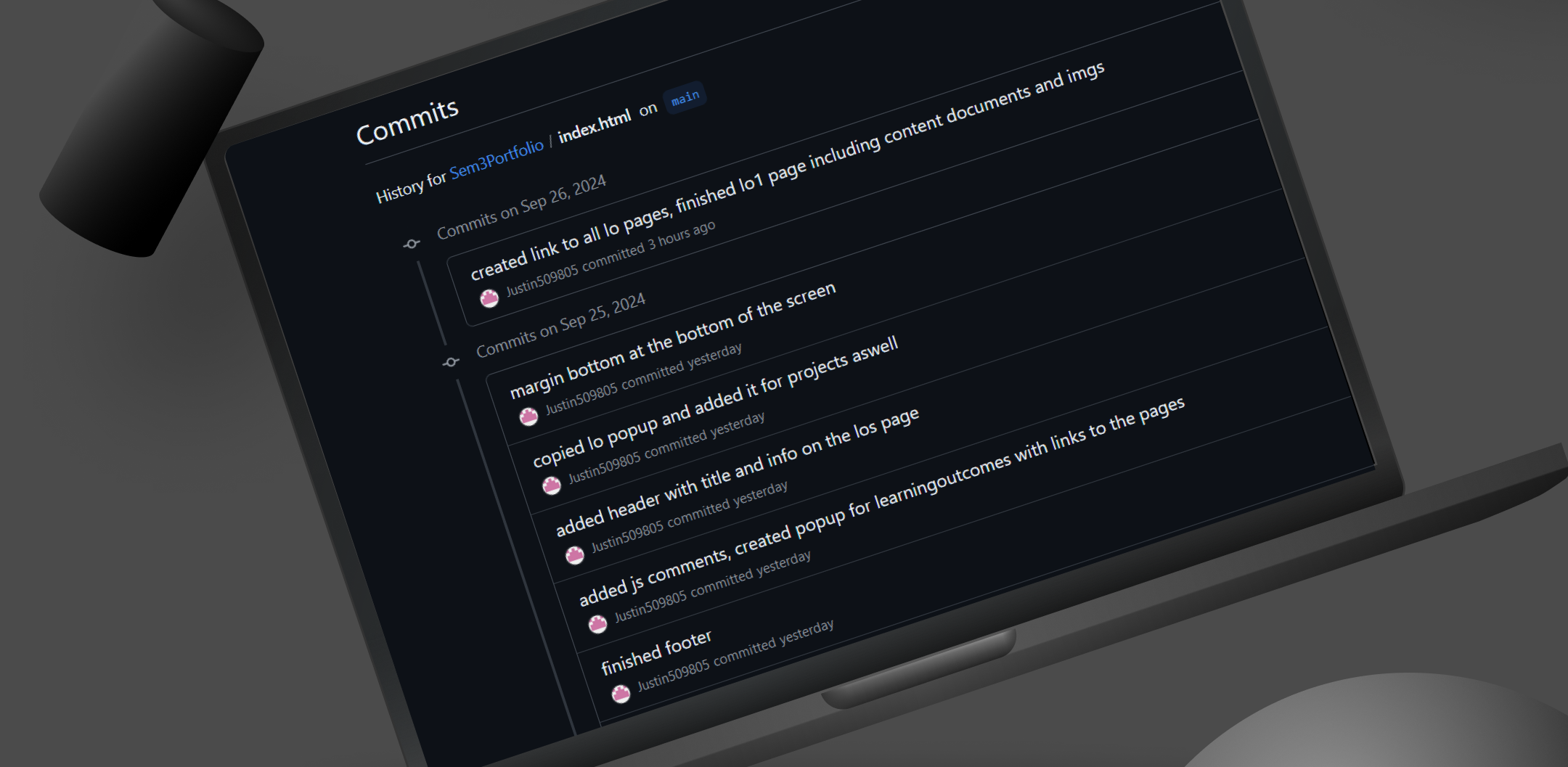
I have been documenting and commenting my code. I made sure to use clear class names, and clear comments in both my code and push commits.
This so that it would be nicer to work with in a team environment.
This fits the following learning outcomes: LO2.
Gitwiki about the version control
What I Did:
Link to Github repository showing commit history, readme, comments etc.
I had a merge conflict once in the group project. I had to choose which one I would send out, and it was a simple fix. Furthermore, it went really well. I am getting used to writing clear comments and committing regularly.
You can view the links above to view my commit history and code. If you want to see the detailed documentation, you can click on "Gitwiki about the version control" or "Github history".
I did secondary research on gamification and analysing Duolingo. Inside the competitive analysis you can find my findings. This was important since we will use gamification elements in our project.
This fits the following learning outcomes: LO4.
Gitwiki about competitor analysis
I recommend that you view the detailed documentation since on there there is an image of the before and after side by side between versions with feedback and why it is an improvement.
Link Between Learning Outcomes (LO) and What I Did:
You apply a relevant methodological approach used in the professional field...
Relevant methodologies used
Competitor Analysis
How does Duolingo use gamification in order to keep the users engaged in a fun and informative way?
Duolingo uses several gamification features such as XP and levels, Streaks and Daily goals, Badges and Achievements, Virtual currency, Leaderboards and Challenges, and Rewards for Mastery.
Users want to be able to see their progress easily and get feedback, which can be offered by increased levels, XP points, and badges. These motivate the users to keep achieving a higher level.
Users enjoy getting achievements and reaching milestones. A function like a daily streak and an achievement for getting a flawless round keeps users engaged.
Rewarding your users with consistent streaks and goals fosters a sense of accountability and motivation, which will improve long-term commitment.
Users face several challenges that are addressed by gamification.
How does Duolingo use social media to their advantage to gain popularity?
Duolingo focuses on both Gen Z and millennials in the age group of 16 to 34. Besides personalizing and gamification, they invested in creating a playful and fun digital presence on social media platforms. They focus on entertaining videos that match their target audience. Duolingo shows its personality via a fun biography on TikTok with “just an owl tryna vibe.”
Sources:
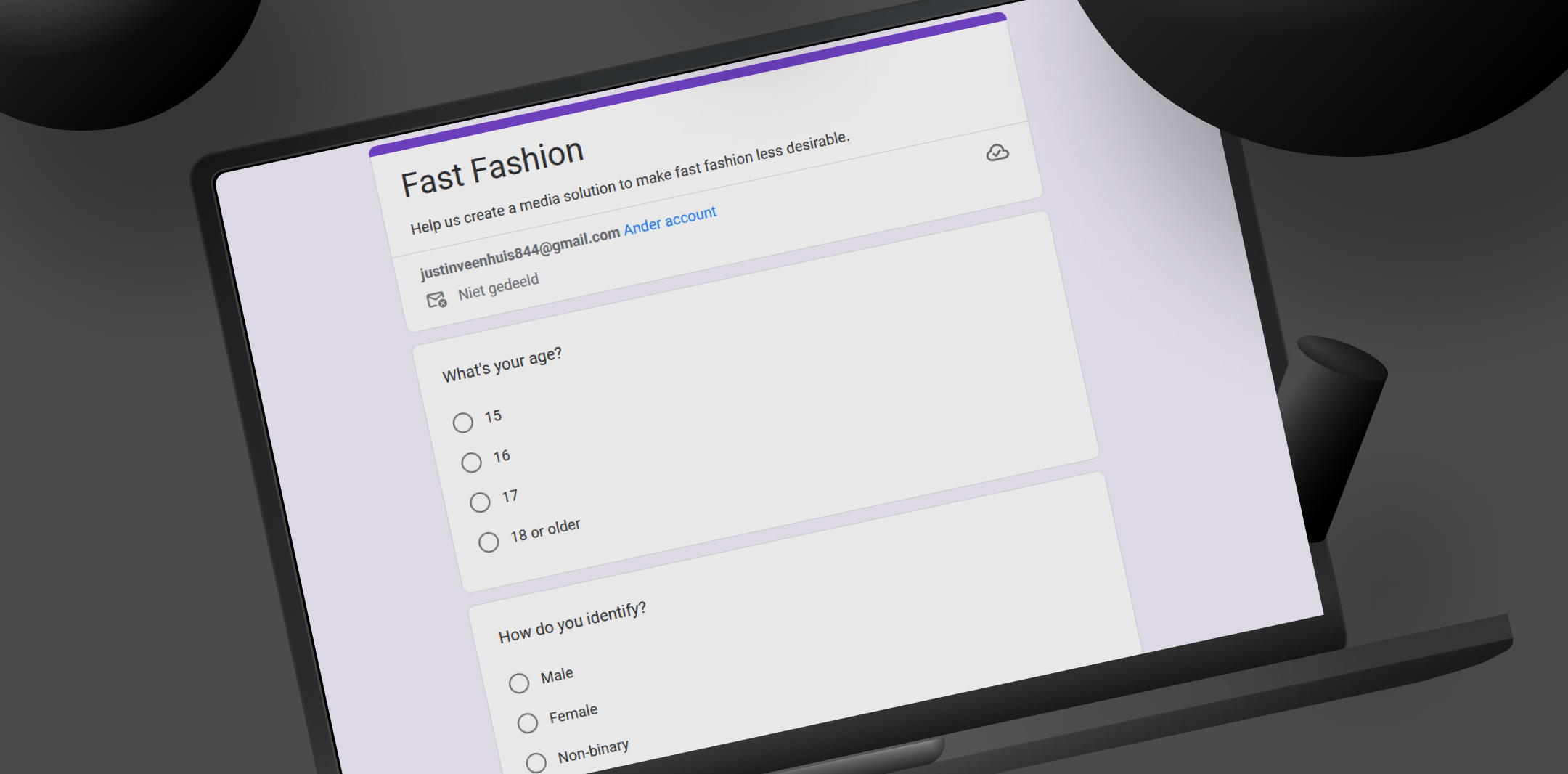
Sander came up with a base for the survey but I made sure to get feedback on it twice, changed the questions, created a google form and created a poster with a QR and hanged it around the building.
This fits the following learning outcomes: LO4.
Gitwiki about survey
View survey
I recommend that you view the detailed documentation since on there there is an image of the before and after side by side between versions with feedback and why it is an improvement.
Link Between Learning Outcomes (LO) and What I Did:
You apply a relevant methodological approach used in the professional field...
What I Did:
Sander created a base of questions which I asked feedback on and I got told that they were too detailed since our target audience is a bit too young for advanced English. After that, I took it upon myself to create the survey. I asked feedback on it, made changes to questions, simplified them, deleted unnecessary ones, created a poster for the survey, put it in Google Forms, and summarized the findings.
Survey Link: Survey
How Did It Go?
It went really well. I made sure to create iterations based on feedback and write them down in Feedpulse. The survey is clear, short, and it will help us a lot in our project regarding our design choices so that we match user-needs.

I wrote information about the Target Group, Defined the research question and put a summary of the survey findings.
This fits the following learning outcomes: LO1.
Gitwiki about my input
View document
Link Between Learning Outcomes (LO) and What I Did:
...applying user-centered design principles, visual design techniques...
Understanding user needs for user-centered design: The survey provided data on target audience behaviors, motivations, and situations. This insight is key to shaping the concept and making design choices that align with user preferences. For example, if users are willing to pay more for sustainable fashion if it’s cheaper than fast fashion, we might implement a discount or reward system to respond to their needs.
Based on the answers, we can identify the target audience’s preferences: If 90% of the target audience is female, we could tailor the design to appeal to that demographic. However, if the split is close to 50/50, it’s beneficial to incorporate both male and female preferences in the design.
I wrote information about: - Current Situation Analysis/SWOT,
- Methodology: 4. Conducting Survey,
and Abstract.
This fits the following learning outcomes: LO4.
Gitwiki about the Advice Report
What Happened:
Me, Sander, and Briahna wrote the advice report. We sat together and split up the tasks, drawing inspiration from the advice report provided on Canvas.
How Did It Go?
It went pretty smoothly. Once we started, it didn't take long to finish. The methodology section (4. Conducting Survey) is something I had written before after conducting a survey. Analyzing the strengths, weaknesses, opportunities, and threats (SWOT) of the product was a nice exercise, helping me improve how I evaluate our game.
Link Between Learning Outcomes (LO) and What I Did:
The advice report is where we explain our product, its current state, and future development options. This directly aligns with the learning outcome of making decisions and delivering reports.